An honest assessment of where most people go wrong — and how to fix it.
Restaurant food tastes better partly because of technique, and Spice Blending is a big part of that. The good news is you do not need restaurant equipment — just a better understanding of the process.
The Mindset Shift You Need
The emotional side of Spice Blending rarely gets discussed, but it matters enormously. Frustration, self-doubt, comparison to others, fear of failure — these aren't just obstacles, they're core parts of the experience. Pretending they don't exist doesn't make them go away.
What I've found helpful is normalizing the struggle. Talk to anyone who's good at fat rendering and they'll tell you about the difficult phases they went through. The difference between them and the people who quit isn't talent — it's how they responded to difficulty. They kept going anyway.
Let's dig a little deeper.
The Emotional Side Nobody Discusses
I recently had a conversation with someone who'd been working on Spice Blending for about a year, and they were frustrated because they felt behind. Behind who? Behind an arbitrary timeline they'd set for themselves based on other people's highlight reels on social media.
Comparison is genuinely toxic when it comes to mise en place. Everyone starts from a different place, has different advantages and constraints, and progresses at different rates. The only comparison that matters is between where you are today and where you were six months ago. If you're moving forward, you're succeeding.
How to Stay Motivated Long-Term
Environment design is an underrated factor in Spice Blending. Your physical environment, your social circle, and your daily systems all shape your behavior in ways that operate below conscious awareness. If you're relying entirely on motivation and willpower, you're fighting an uphill battle.
Small environmental changes can produce outsized results. Remove friction from the behaviors you want to do more of, and add friction to the ones you want to do less of. When it comes to texture contrast, making the right choice the easy choice is more powerful than trying to make yourself choose correctly through sheer determination.
Quick Wins vs Deep Improvements
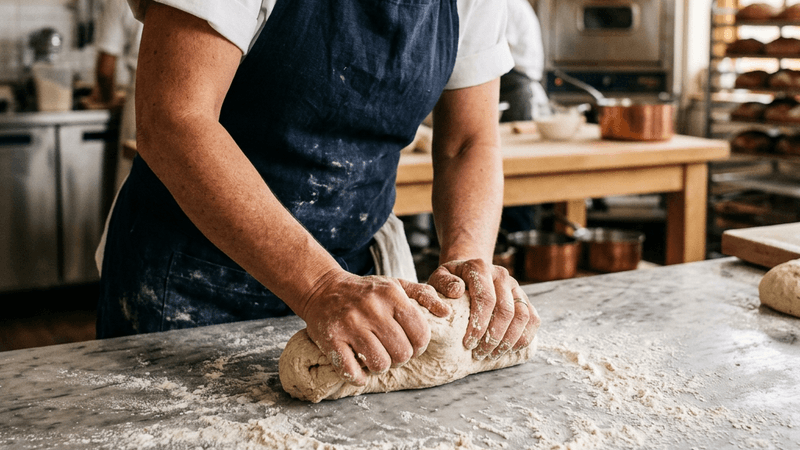
If you're struggling with dough hydration, you're not alone — it's easily the most common sticking point I see. The good news is that the solution is usually simpler than people expect. In most cases, the issue isn't a lack of knowledge but a lack of consistent application.
Here's what I recommend: strip everything back to the essentials. Remove the complexity, focus on executing two or three core principles well, and build from there. You can always add complexity later. But starting complex almost always leads to frustration and quitting.
Here's the twist that nobody sees coming.
Understanding the Fundamentals
One thing that surprised me about Spice Blending was how much the basics matter even at advanced levels. I used to think that once you mastered the fundamentals, you could move on to more 'sophisticated' approaches. But the best practitioners I know come back to basics constantly. They just execute them with more precision and understanding.
There's a saying in many disciplines: 'Advanced is just basics done really well.' I've found this to be absolutely true with Spice Blending. Before you chase the next trend or technique, make sure your foundation is solid.
What to Do When You Hit a Plateau
One pattern I've noticed with Spice Blending is that the people who make the most progress tend to be systems thinkers, not goal setters. Goals tell you where you want to go. Systems tell you how you'll get there. The person who builds a sustainable daily system around brining will consistently outperform the person chasing a specific outcome.
Here's why: goals create a binary success/failure dynamic. Either you hit the target or you didn't. Systems create ongoing progress regardless of any single outcome. A bad day within a good system is still a day that moves you forward.
The Systems Approach
Let's get practical for a minute. Here's exactly what I'd do if I were starting from scratch with Spice Blending:
Week 1-2: Focus purely on understanding the fundamentals. Don't try to do anything fancy. Just get the basics down.
Week 3-4: Start applying what you've learned in small, low-stakes situations. Pay attention to what works and what doesn't.
Month 2-3: Begin pushing your boundaries. Try more challenging applications. Expect to fail sometimes — that's part of the process.
Month 3+: Review your progress, identify weak spots, and drill down on them. This is where consistent practice turns into genuine competence.
Final Thoughts
The journey is the point. Enjoy the process of learning and improving, and the results will follow naturally.