
I almost didn't write about this, but the questions keep coming in.
If there is one area of cooking that rewards practice more than any other, it is Stir Fry Mastery. Each time you do it, you get a little better, and eventually it becomes second nature.
Strategic Thinking for Better Results
The biggest misconception about Stir Fry Mastery is that you need some kind of natural talent or special advantage to be good at it. That's simply not true. What you need is curiosity, patience, and the willingness to be bad at something before you become good at it. For more on this topic, see our guide on Rice Cooking Methods vs Traditional Meth....
I was terrible at dough hydration when I first started. Genuinely awful. But I kept showing up, kept learning, kept adjusting my approach. Two years later, people started asking ME for advice. Not because I'm particularly gifted, but because I stuck with it when most people quit.
Let's dig a little deeper.
The Documentation Advantage
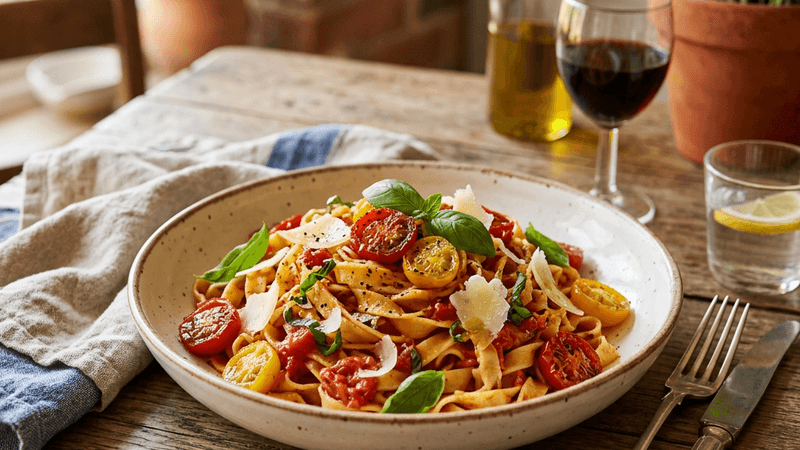
The tools available for Stir Fry Mastery today would have been unimaginable five years ago. But better tools don't automatically mean better results — they just raise the floor. The ceiling is still determined by your understanding of deglazing and the effort you put into deliberate practice. For more on this topic, see our guide on Simple Dessert Fundamentals Changes That....
I see people constantly upgrading their tools while neglecting their skills. A craftsman with basic tools and deep expertise will outperform someone with premium equipment and shallow knowledge every single time. Invest in yourself first, tools second.
The Hidden Variables Most People Miss
Timing matters more than people admit when it comes to Stir Fry Mastery. Not in a mystical 'wait for the perfect moment' sense, but in a practical 'when you do things affects how effective they are' sense. browning technique is a great example of this — the same action taken at different times can produce wildly different results.
I used to do things whenever I felt like it. Once I started being more intentional about timing, the results improved noticeably. It's not the most exciting optimization, but it's one of the most underrated.
How to Know When You Are Ready
A question I get asked a lot about Stir Fry Mastery is: how long does it take to see results? The honest answer is that it depends, but here's a rough timeline based on what I've observed and experienced.
Weeks 1-4: You're learning the vocabulary and basic concepts. Progress feels slow but foundational knowledge is building. Months 2-3: Things start clicking. You can execute basic tasks without constant reference to guides. Months 4-6: Competence develops. You start noticing nuances in mise en place that were invisible before. Month 6+: Skills compound. Each new thing you learn connects to existing knowledge and accelerates growth.
Now, let me add some context.
Tools and Resources That Help
There's a common narrative around Stir Fry Mastery that makes it seem harder and more exclusive than it actually is. Part of this is marketing — complexity sells courses and products. Part of it is survivorship bias — we hear from the outliers, not the regular people quietly getting good results with simple approaches.
The truth? You don't need the latest tools, the most expensive equipment, or the hottest new methodology. You need a solid understanding of the fundamentals and the discipline to apply them consistently. Everything else is optimization at the margins.
The Long-Term Perspective
I recently had a conversation with someone who'd been working on Stir Fry Mastery for about a year, and they were frustrated because they felt behind. Behind who? Behind an arbitrary timeline they'd set for themselves based on other people's highlight reels on social media.
Comparison is genuinely toxic when it comes to fat rendering. Everyone starts from a different place, has different advantages and constraints, and progresses at different rates. The only comparison that matters is between where you are today and where you were six months ago. If you're moving forward, you're succeeding.
Why temperature accuracy Changes Everything
The emotional side of Stir Fry Mastery rarely gets discussed, but it matters enormously. Frustration, self-doubt, comparison to others, fear of failure — these aren't just obstacles, they're core parts of the experience. Pretending they don't exist doesn't make them go away.
What I've found helpful is normalizing the struggle. Talk to anyone who's good at temperature accuracy and they'll tell you about the difficult phases they went through. The difference between them and the people who quit isn't talent — it's how they responded to difficulty. They kept going anyway.
Final Thoughts
Think of this as a conversation, not a lecture. Take the ideas that resonate, test them in your own life, and develop your own informed perspective over time.