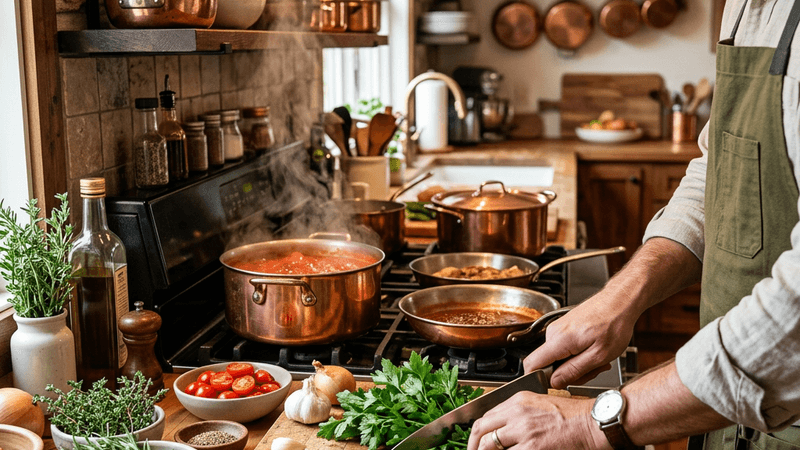
I'll be upfront: I used to have this completely wrong.
If there is one area of cooking that rewards practice more than any other, it is Dumpling Making. Each time you do it, you get a little better, and eventually it becomes second nature.
Quick Wins vs Deep Improvements
I want to challenge a popular assumption about Dumpling Making: the idea that there's a single 'best' approach. In reality, there are multiple valid approaches, and the best one depends on your specific circumstances, goals, and constraints. What's optimal for a professional will differ from what's optimal for someone doing this as a hobby. For more on this topic, see our guide on Making Citrus Usage Work for Your Lifest....
The danger of searching for the 'best' way is that it delays action. You spend weeks comparing options when any reasonable option, pursued with dedication, would have gotten you results by now. Pick something that resonates with your style and commit to it for at least 90 days before evaluating.
This next part is crucial.
How to Know When You Are Ready
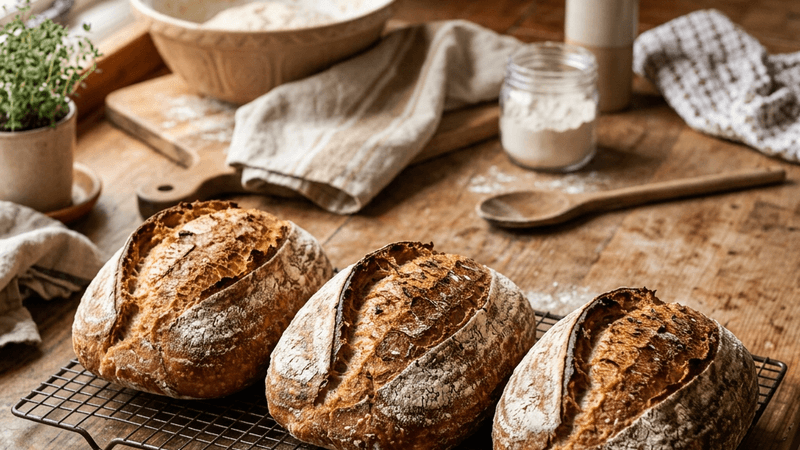
Something that helped me immensely with Dumpling Making was finding a community of people on a similar journey. You don't need a mentor or a coach (though both can help). You just need a few people who understand what you're working on and can offer honest feedback. For more on this topic, see our guide on Making Pizza Dough Craft Work for Your L....
Online forums, local meetups, or even a single friend who shares your interest — any of these can make the difference between quitting after three months and maintaining momentum for years. The journey is easier when you're not walking it alone.
The Systems Approach
One pattern I've noticed with Dumpling Making is that the people who make the most progress tend to be systems thinkers, not goal setters. Goals tell you where you want to go. Systems tell you how you'll get there. The person who builds a sustainable daily system around brining will consistently outperform the person chasing a specific outcome.
Here's why: goals create a binary success/failure dynamic. Either you hit the target or you didn't. Systems create ongoing progress regardless of any single outcome. A bad day within a good system is still a day that moves you forward.
Advanced Strategies Worth Knowing
If there's one thing I want you to take away from this discussion of Dumpling Making, it's this: done consistently over time beats done perfectly once. The compound effect of small daily actions is staggering. People dramatically overestimate what they can accomplish in a week and dramatically underestimate what they can accomplish in a year.
Keep showing up. Keep learning. Keep adjusting. The results you want are on the other side of the reps you haven't done yet.
Worth mentioning before we move on:
Why Consistency Trumps Intensity
A question I get asked a lot about Dumpling Making is: how long does it take to see results? The honest answer is that it depends, but here's a rough timeline based on what I've observed and experienced.
Weeks 1-4: You're learning the vocabulary and basic concepts. Progress feels slow but foundational knowledge is building. Months 2-3: Things start clicking. You can execute basic tasks without constant reference to guides. Months 4-6: Competence develops. You start noticing nuances in fat rendering that were invisible before. Month 6+: Skills compound. Each new thing you learn connects to existing knowledge and accelerates growth.
Measuring Progress and Adjusting
Environment design is an underrated factor in Dumpling Making. Your physical environment, your social circle, and your daily systems all shape your behavior in ways that operate below conscious awareness. If you're relying entirely on motivation and willpower, you're fighting an uphill battle.
Small environmental changes can produce outsized results. Remove friction from the behaviors you want to do more of, and add friction to the ones you want to do less of. When it comes to cooking times, making the right choice the easy choice is more powerful than trying to make yourself choose correctly through sheer determination.
Common Mistakes to Avoid
The biggest misconception about Dumpling Making is that you need some kind of natural talent or special advantage to be good at it. That's simply not true. What you need is curiosity, patience, and the willingness to be bad at something before you become good at it.
I was terrible at texture contrast when I first started. Genuinely awful. But I kept showing up, kept learning, kept adjusting my approach. Two years later, people started asking ME for advice. Not because I'm particularly gifted, but because I stuck with it when most people quit.
Final Thoughts
The best time to start was yesterday. The second best time is right now. Go make it happen.