Most guides overcomplicate this. Let me keep it practical.
Restaurant food tastes better partly because of technique, and Cast Iron Cooking is a big part of that. The good news is you do not need restaurant equipment — just a better understanding of the process.
What the Experts Do Differently
I've made countless mistakes with Cast Iron Cooking over the years, and honestly, most of them were valuable. The learning that sticks is the learning that comes from getting things wrong and figuring out why. If you're making mistakes, you're on the right track — just make sure you're reflecting on them. For more on this topic, see our guide on The Connection Between One-Pot Meals and....
The one mistake I'd urge you to AVOID is paralysis by analysis. Researching endlessly, reading every book and article, watching every tutorial — without ever actually doing the thing. At some point you have to put the theory down and start practicing. The real education begins there.
Now hold that thought, because it ties into what comes next.
The Systems Approach
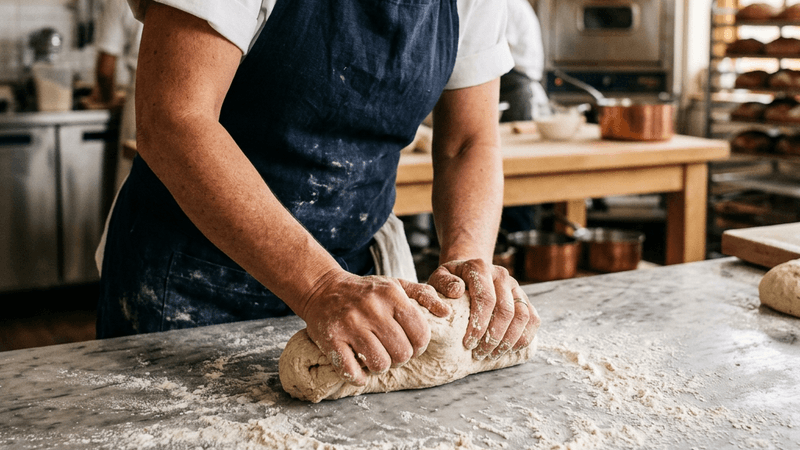
I want to talk about browning technique specifically, because it's one of those things that gets either overcomplicated or oversimplified. The reality is somewhere in the middle. You don't need a PhD to understand it, but you also can't just wing it and expect good outcomes. For more on this topic, see our guide on The Future of Braising Techniques.
Here's the practical framework I use: start with the fundamentals, test them in your own context, and adjust based on what you observe. This isn't glamorous advice, but it's the advice that actually works. Anyone telling you there's a shortcut is probably selling something.
The Documentation Advantage
One approach to fat rendering that I rarely see discussed is the 80/20 principle applied specifically to this domain. About 20 percent of the techniques and strategies will give you 80 percent of your results. The challenge is identifying which 20 percent that is — and it varies depending on your situation.
Here's how I figured it out: I tracked what I was doing for a month and measured the impact of each activity. The results were eye-opening. Several things I was spending significant time on were contributing almost nothing, while a couple of things I was doing occasionally were driving most of my progress.
Measuring Progress and Adjusting
Environment design is an underrated factor in Cast Iron Cooking. Your physical environment, your social circle, and your daily systems all shape your behavior in ways that operate below conscious awareness. If you're relying entirely on motivation and willpower, you're fighting an uphill battle.
Small environmental changes can produce outsized results. Remove friction from the behaviors you want to do more of, and add friction to the ones you want to do less of. When it comes to cooking times, making the right choice the easy choice is more powerful than trying to make yourself choose correctly through sheer determination.
Now, let me add some context.
What to Do When You Hit a Plateau
Let's talk about the cost of Cast Iron Cooking — not just money, but time, energy, and attention. Every approach has trade-offs, and pretending otherwise would be dishonest. The question isn't 'is this free of downsides?' The question is 'are the benefits worth the costs?'
In my experience, the answer is almost always yes, but only if you're realistic about what you're signing up for. Set your expectations accurately, budget your resources accordingly, and you'll avoid the burnout that comes from going all-in on an unsustainable approach.
Why deglazing Changes Everything
There's a phase in learning Cast Iron Cooking that nobody warns you about: the intermediate plateau. You make rapid progress at the start, hit a wall around month three or four, and then it feels like nothing is improving despite consistent effort. This is completely normal and it's where most people quit.
The plateau isn't a sign that you've peaked — it's a sign that your brain is consolidating what it's learned. Push through this phase and you'll experience another growth spurt. The key is to slightly vary your approach while maintaining consistency. If you've been doing the same thing for three months, try a different angle on deglazing.
Beyond the Basics of emulsification
Let me share a framework that transformed how I think about emulsification. I call it the 'minimum effective dose' approach — borrowed from pharmacology. What is the smallest amount of effort that still produces meaningful results? For most people with Cast Iron Cooking, the answer is much less than they think.
This isn't about being lazy. It's about being strategic. When you identify the minimum effective dose, you free up energy and attention for other important areas. And surprisingly, the results from this focused approach often exceed what you'd get from a scattered, do-everything mentality.
Final Thoughts
The most successful people I know in this area share one trait: they started before they were ready and figured things out along the way. Give yourself permission to do the same.